The 3-Second Hook: What Makes a Short Go Viral vs. Get Skipped
July 2, 2026
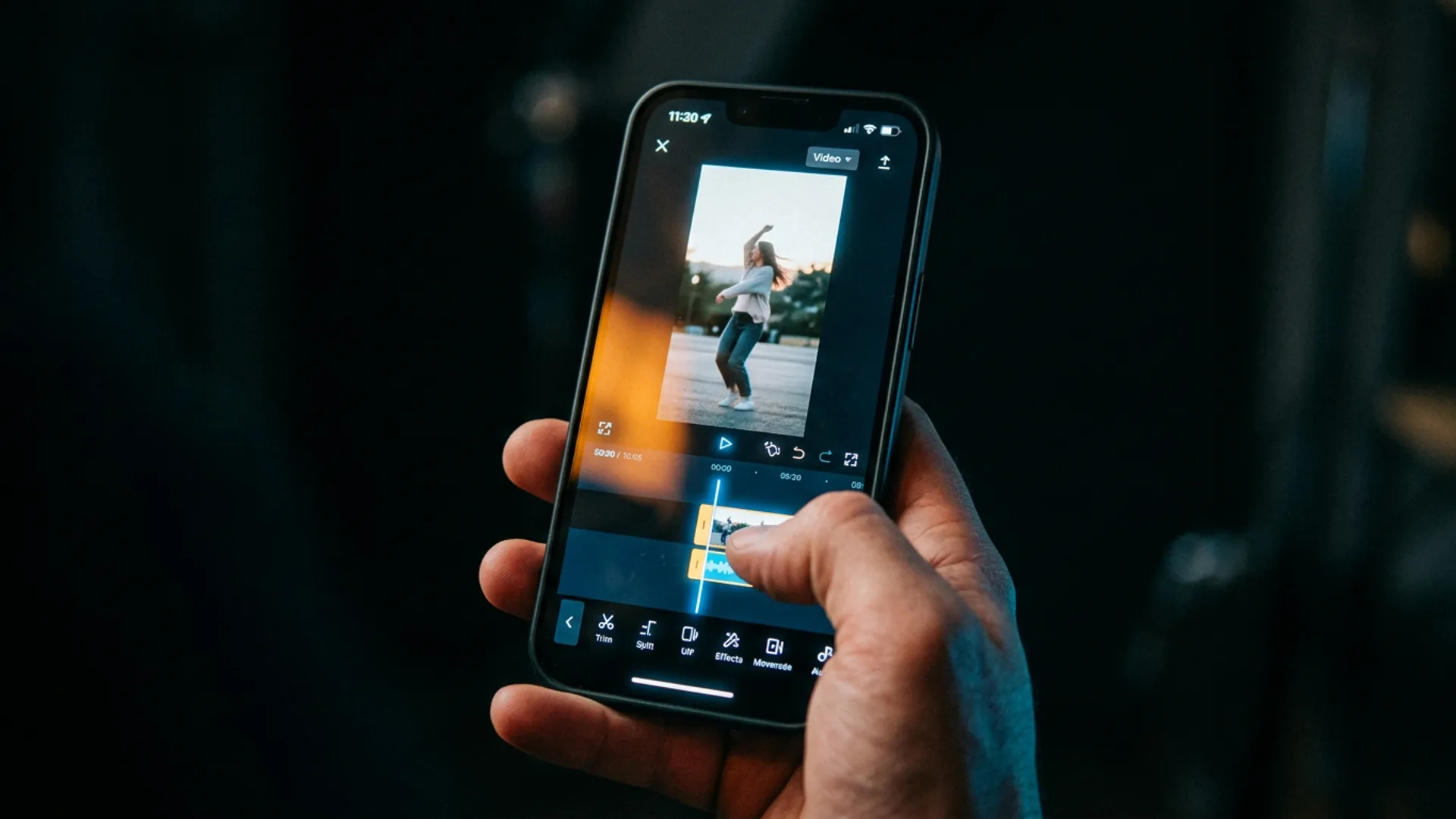
The algorithm does not reward good content. It rewards content that keeps people watching past the first three seconds.
Why three seconds is the real threshold
On Reels and Shorts, the platform measures loop rate and swipe-away rate within the first three seconds. If you lose the viewer there, the rest of the video does not matter. The hook is not an intro. It is the entire business case for why this video deserves the next thirty seconds of someone's life.
Patterns that work
The hooks that consistently hold attention fall into a few patterns: a visual surprise in the first frame, a line that creates immediate curiosity (something that cannot be resolved without watching), or a cut that drops you into the middle of action rather than the beginning. The weakest hooks explain what the video is about. The strongest hooks make the viewer feel like they missed something if they swipe.
The edit is the hook
A well-written hook in script form still needs the right edit to land. The frame you open on, the pacing of the first cut, whether there is music under the first line or silence: these are editing decisions that control whether your hook works in the wild. Getting that first frame wrong is the single most expensive mistake on short-form.
What we watch for
When we edit Shorts and Reels, the first thing we do is audit the first three seconds before we touch anything else. That one step, done consistently, is the difference between a clip that performs and one that does not.