How to Brief Your Editor So You Get What You Imagined
July 9, 2026
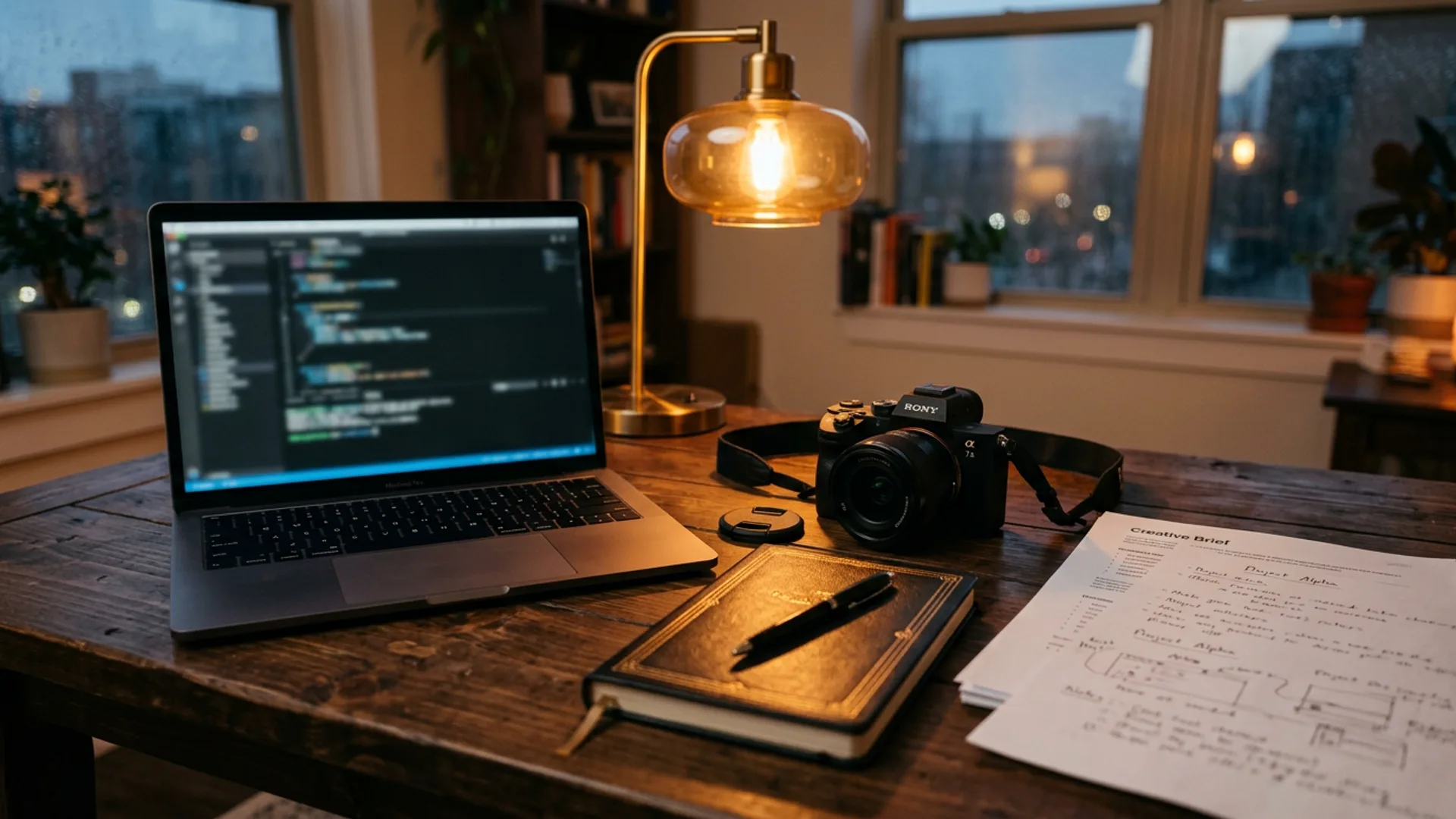
The gap between what you pictured and what comes back is almost never the editor's fault. It is a brief problem.
What a good brief actually contains
A usable brief has four things: a reference video (yours or someone else's) that shows the pacing and energy you want, a list of moments in the raw footage you want kept, any brand rules (colors, fonts, music genres), and the one thing this video needs to make the viewer do (subscribe, click, share).
That is it. Everything else is noise.
The reference video shortcut
If you have been making content for a while, your own best-performing video is often the best reference. Send a timestamp to the moment that best shows the energy you want, and tell your editor to match that. This gives them a concrete target instead of subjective adjectives like "punchy" or "cinematic."
What editors wish creators told them
The two most common things we hear after a revision round: "I meant this moment specifically" (a timestamp would have fixed it) and "the pace felt slow in the middle" (a reference would have shown what fast looks like to that creator). Both are easy to prevent.
Building a style guide
Once you find an editing partnership that clicks, invest one conversation in documenting the rules: which music genres, what text style, how fast is fast for you, what you never want to see. That document turns every future video into a much faster brief. Our retainer clients build this with us in the first week, and it compounds across every video after that.